
Speech Therapy for Children in Upland, CA
Every child deserves to be heard and understood. At King Speech Therapy Services, we provide speech therapy for children across the Inland Empire, helping kids build the communication skills they need to connect, grow, and feel confident. Whether your child is struggling with articulation, phonological patterns, childhood apraxia of speech, or fluency, our clinic in Upland, CA is here to help.
What We Treat
Specialized Speech Disorder Treatment for Kids
Speech sound disorders can look different from child to child. Some kids leave off the ends of words. Others substitute one sound for another so consistently that a pattern forms. Still others have difficulty with the motor planning required to produce sounds at all. Our pediatric speech language pathology services address the full range of these challenges, including articulation disorders, phonological delays and disorders, childhood apraxia of speech (CAS), and fluency difficulties such as stuttering and cluttering. We use evidence-based practices and specialized methodologies, including Dynamic Temporal and Tactile Cueing (DTTC) for CAS, to make sure each child receives care grounded in current clinical research. Families in Upland, Rancho Cucamonga, Ontario, Fontana, Claremont, Victorville, and Apple Valley trust us to meet their children where they are and build from there.
Our Approach
A Coach-Led Model for Speech Development Therapy
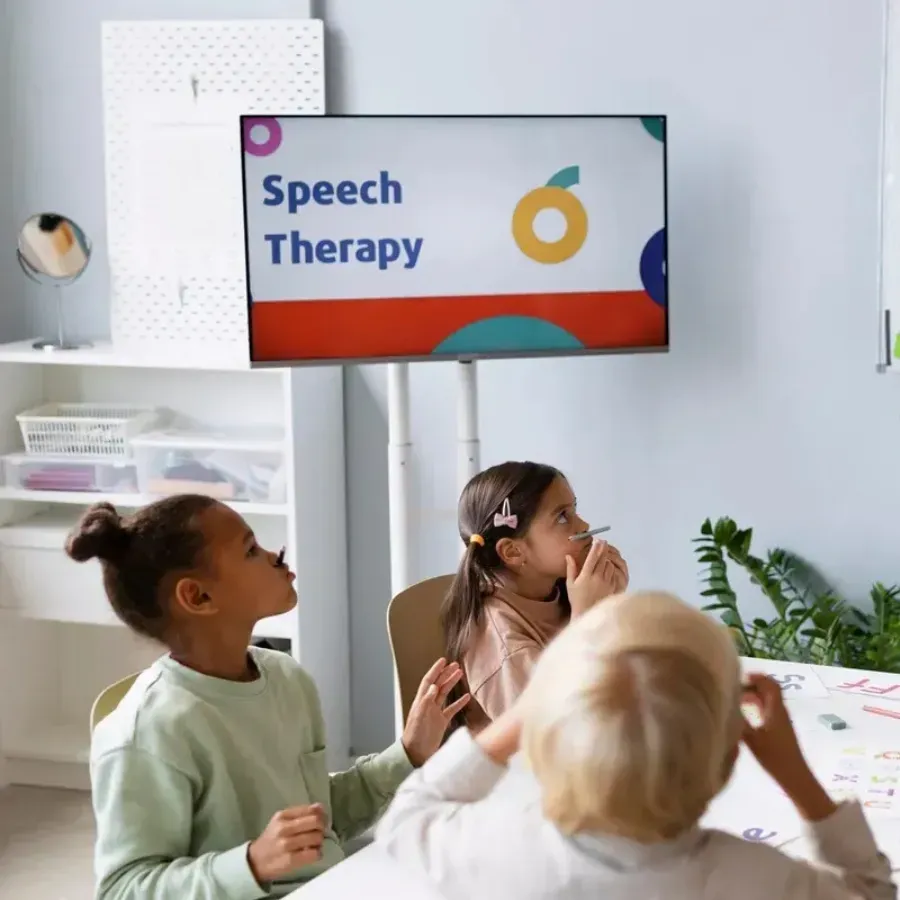
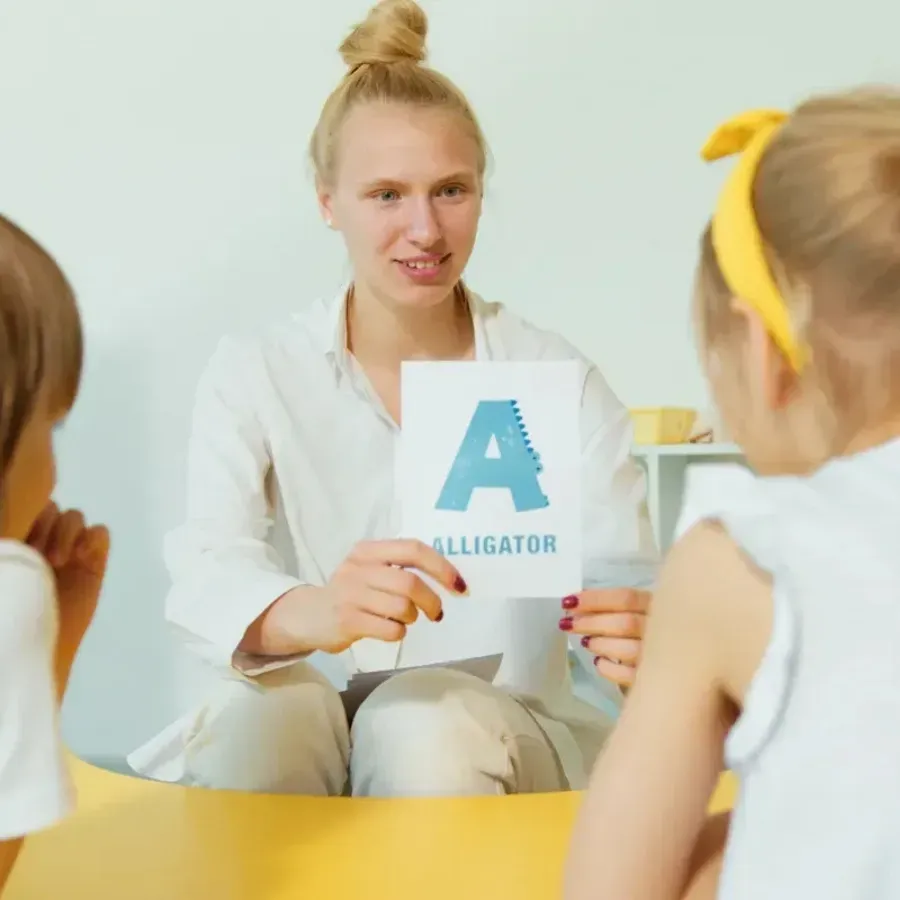
Victoria King Erb, M.S., CCC-SLP, founded King Speech Therapy Services in May 2020 with a clear philosophy: children grow fastest when they feel safe, motivated, and supported. Drawing from her background in competitive sports, Victoria approaches each session like a coach, not just a clinician. She encourages children to try hard things, to tolerate the discomfort of not getting it right the first time, and to build the intrinsic motivation that makes progress stick long after the session ends. Speech development therapy at our Upland clinic is never passive. Sessions are play-based and child-led, but also structured and goal-oriented. Every child's plan of care is built using a combination of standardized testing, language samples, and a thorough parent interview, so the goals we set reflect real-life communication needs, not just clinical benchmarks. After every session, caregivers receive dedicated time to debrief, ask questions, and walk away with strategies they can use at home during meals, chores, or play.
Why Families Choose Us
Articulation Therapy for Children, Backed by Clinical Depth
Not all speech therapy practices specialize in the same areas. Our clinic holds certifications and advanced training that set us apart in the Inland Empire. Victoria is a member of the Apraxia Kids SLP Directory, which reflects her commitment to staying current in CAS research and treatment. Her training in DTTC gives children with apraxia a structured, research-supported path to clearer speech. For families navigating articulation therapy for children or phonological pattern work, our approach is both rigorous and encouraging. Six years of school-based experience also inform how we work with families, meaning we understand what kids face in classroom settings and how to bridge the gap between school services and home life. Parents are not observers here. They are partners. We give caregivers the tools and strategies to support their child's communication across the 100-plus hours a week that happen outside the clinic walls.
Who We Serve
Pediatric Speech Language Pathology for Ages 18 Months to 17 Years
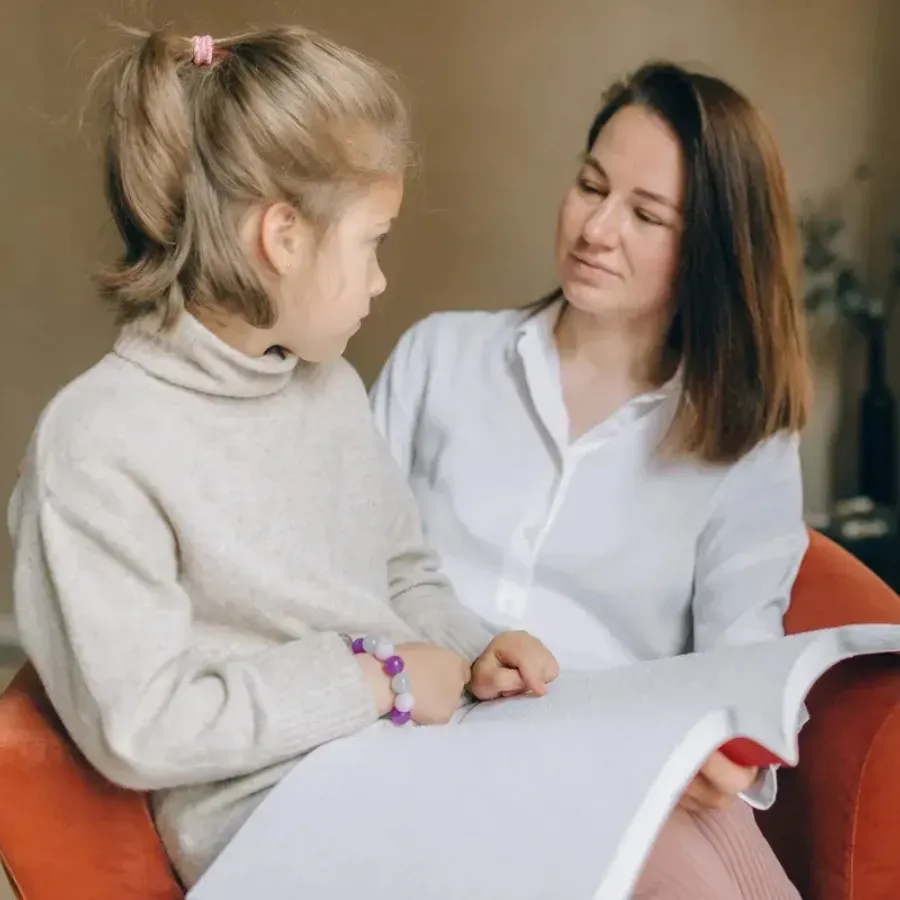
Our speech therapy services are available for children aged 18 months through 17 years. Whether your toddler has limited words and you are wondering if it is more than a late start, or your school-aged child is being teased because of how they sound, we provide a welcoming and clinically grounded environment to assess and address those concerns. Services are delivered at our clinic in Upland, CA, with teletherapy available for families who need it. We are in-network with PPO plans including Cigna, Blue Shield, Anthem, HealthNet, and Aetna. For families with out-of-network coverage, we provide Superbills and offer a prompt pay rate option. If you have questions about whether your child's speech patterns are typical for their age, reaching out for an evaluation is always a good first step. You do not need a referral to contact us, though we do work closely with pediatricians, ENTs, teachers, and school districts to make sure every child gets coordinated, consistent support.
Common Questions
Speech Therapy FAQs for Inland Empire Families
What types of speech sound disorders do you treat at your Upland clinic?
We treat articulation disorders, phonological delays and disorders, childhood apraxia of speech (CAS), and fluency disorders including stuttering and cluttering. Articulation therapy focuses on specific sound errors, while phonological therapy addresses patterns of errors across multiple sounds. CAS is a motor planning disorder that requires a specialized approach, and we use Dynamic Temporal and Tactile Cueing (DTTC), a research-supported method, to help children with CAS develop more consistent speech. Fluency therapy addresses the rhythm and flow of speech for children who stutter or clutter.How is childhood apraxia of speech different from a typical articulation delay?
Childhood apraxia of speech (CAS) is a motor speech disorder, meaning the difficulty is not with the muscles themselves but with the brain's ability to plan and sequence the movements needed for speech. Children with CAS often have inconsistent errors, saying a word correctly once and then differently the next time. A standard articulation delay typically involves consistent, predictable errors on specific sounds. Because CAS requires a different treatment approach, an accurate evaluation is important. Our clinic uses DTTC and is listed in the Apraxia Kids SLP Directory, reflecting our focused training in this area.At what age should I be concerned if my child is hard to understand?
General guidelines suggest that by age 2, familiar listeners should understand about 50 percent of what a child says, and by age 4, most people should understand nearly all of a child's speech. If your child is frequently difficult to understand by family members, or if strangers rarely understand them, it is worth scheduling an evaluation. Early intervention tends to produce faster progress, so there is no benefit to waiting. Our clinic serves children as young as 18 months, and we are happy to help you determine whether what you are observing warrants a full evaluation or whether some targeted parent strategies might help first.What does a typical session look like for a young child at your clinic?
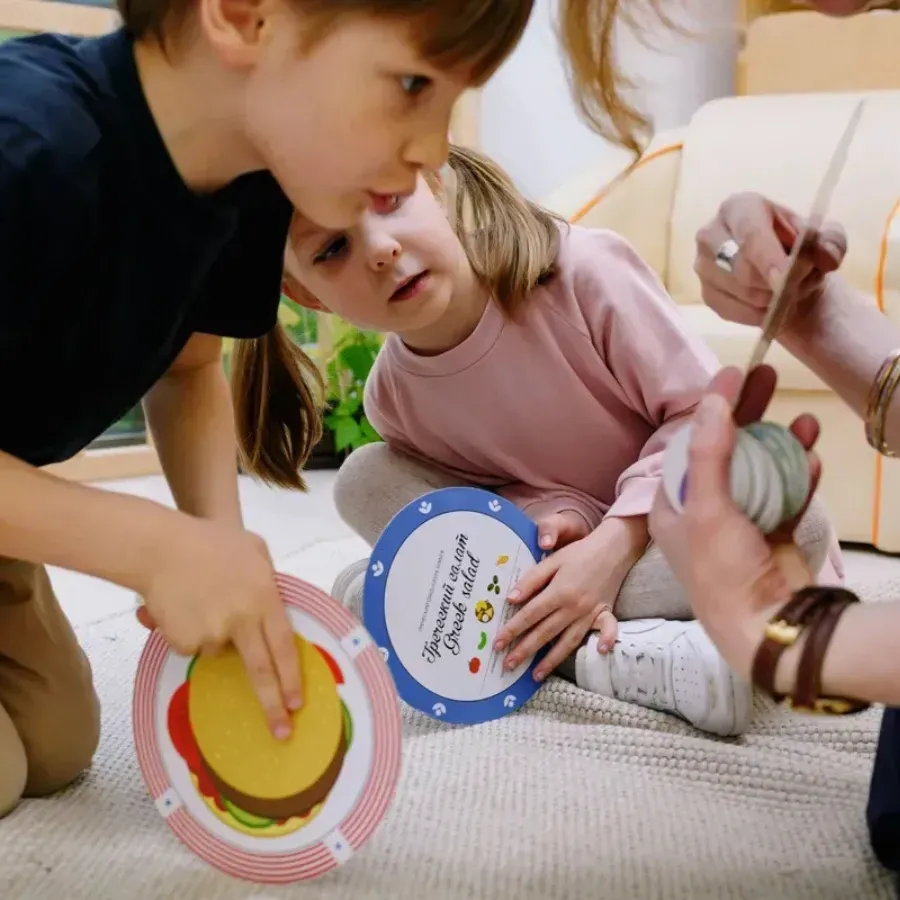
Sessions are play-based and child-led, meaning we follow the child's interests to keep them engaged and motivated. Within that structure, the therapist works toward specific, measurable goals using evidence-based techniques. For younger children, this might look like building turn-taking during a simple game or practicing target sounds during a themed activity. Every session ends with dedicated time for the caregiver to debrief, ask questions, and receive strategies to practice at home. Parents are considered partners in the process, not just observers.Do you accept insurance for speech therapy?
Yes. We are in-network with PPO plans including Cigna, Blue Shield, Anthem, HealthNet, and Aetna. If your plan is out of network, we can provide a Superbill that you can submit to your insurance company for potential reimbursement. We also offer a prompt pay rate for families paying out of pocket. We recommend contacting your insurance provider before your first visit to understand your specific benefits and any deductible or copay requirements. Our team can help guide you through the process as well.How involved can parents and caregivers be in their child's therapy?
Caregiver involvement is a core part of how we work, not an optional add-on. After every session, we set aside time to walk parents through what we worked on and how to carry those strategies into daily routines at home, whether during mealtime, a car ride, or while doing chores together. Research consistently shows that children make faster progress when caregivers are equipped to support communication throughout the week. Our model is built around the idea that a skilled parent can create hundreds of learning opportunities every day, far more practice time than any single therapy session can provide on its own.Is teletherapy available for families who cannot come to the Upland clinic?
Yes, teletherapy is available for families who need a more flexible option. This can be a good fit for families in more distant parts of the Inland Empire, such as Victorville or Apple Valley, or for those with scheduling or transportation challenges. Teletherapy sessions follow the same goal-directed, evidence-based approach as in-clinic sessions. Not every type of evaluation or therapy is equally well-suited to a virtual format, so we will discuss your child's specific needs during the intake process to determine whether teletherapy is the right fit or whether in-person visits would be more effective.What is the difference between articulation therapy and phonological therapy?
Articulation therapy targets specific sounds a child produces incorrectly, such as substituting a 'w' sound for an 'r' sound. The focus is on teaching the correct placement and movement of the lips, tongue, and teeth to produce that sound accurately. Phonological therapy addresses broader patterns of errors. For example, a child might consistently leave off the final consonant in every word, or always simplify consonant clusters. In this case, the goal is to help the child understand and apply the phonological rules of their language. An evaluation helps determine which type of difficulty is present, since the treatment approach differs significantly.
REVIEWS