
Pediatric Feeding Therapy in Upland, CA
Mealtimes should feel like connection, not conflict. At King Speech Therapy Services, our pediatric feeding therapy helps children in Upland and across the Inland Empire build a healthier, more comfortable relationship with food. Whether your child struggles with picky eating, sensory aversions, difficulty chewing or swallowing, or limited food variety, our evidence-based approach meets them where they are and works toward real progress at the table.
When Mealtimes Become a Struggle
Signs Your Child May Benefit from Feeding Disorder Treatment
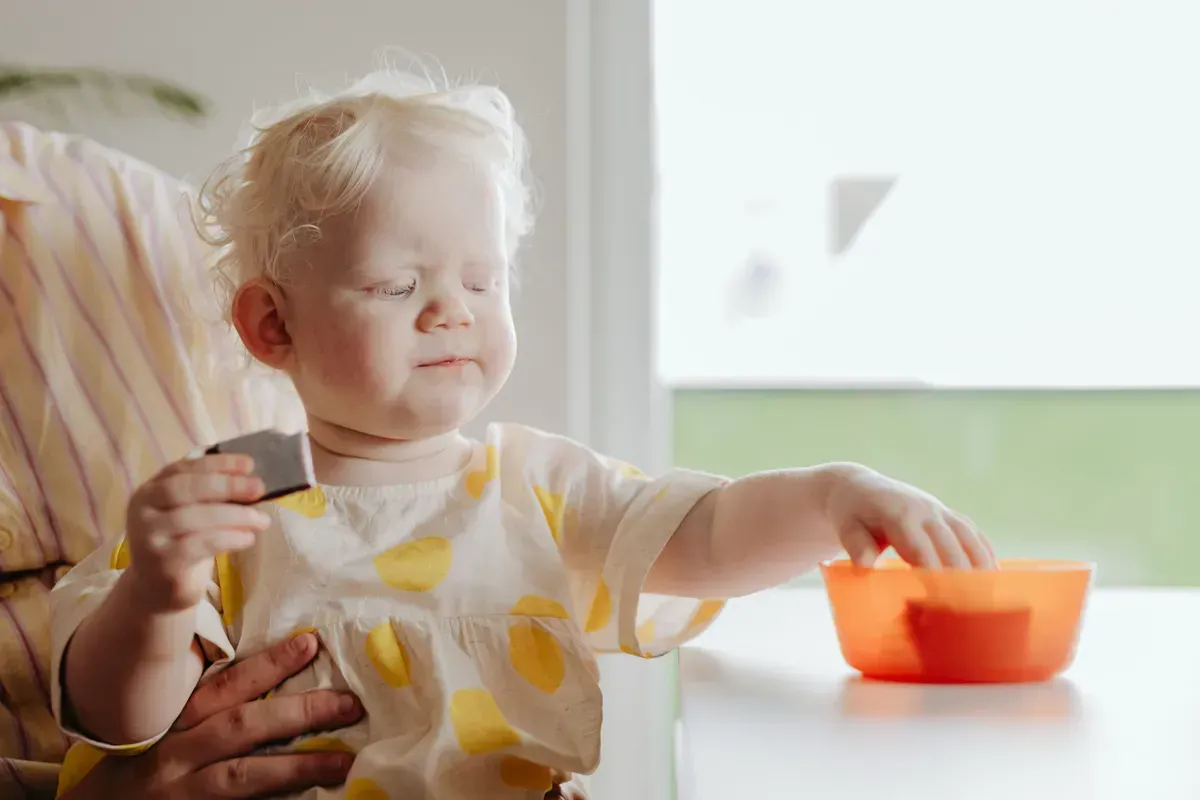
It can be hard to know when a child's food refusal goes beyond typical fussiness. Some children are genuinely distressed around unfamiliar foods, gag at certain textures, or eat from such a limited list that nutrition and family life both suffer. Others may have difficulty chewing or swallowing foods that are age-appropriate for them. Common signs that a child may need feeding support include strong reactions to new textures like crunchy or sticky foods, refusing entire food groups, difficulty moving from purees to solids, or mealtimes that consistently end in tears for the child and the parent. If any of this sounds familiar, you are not alone, and support is available right here in the Inland Empire.

Our Approach
The SOS Feeding Approach and "Feed the Peds" Methodology
Victoria King Erb, M.S., CCC-SLP, holds specialized training in the SOS Approach to Feeding as well as the "Feed the Peds" methodology. The SOS feeding approach is a systematic, child-led framework that respects each child's sensory tolerance and gradually builds comfort with new foods through play-based interaction, not pressure. Rather than forcing a child to take a bite of something unfamiliar, this method works through a hierarchy of food exploration, from tolerating a food on the table, to touching it, to eventually tasting it at the child's own pace. This approach is paired with parent coaching so that the strategies learned in the clinic carry over to your kitchen table at home, multiplying progress far beyond what a single weekly session could achieve on its own.
What We Treat
Feeding Challenges We Address for Kids in Upland and the IE
Our feeding therapy program supports children from 18 months through 17 years of age who are experiencing a range of feeding and swallowing difficulties. Areas of focus include picky eater therapy for children with limited food variety, sensory aversions to specific textures, temperatures, or colors, difficulty chewing or swallowing safely, challenges transitioning between food textures, and distress or anxiety around mealtimes. For children with swallowing concerns, our swallowing therapy for kids addresses the oral-motor skills needed to manage food safely and comfortably. Each child's care plan is built around their specific needs, their family's daily routines, and the real foods that show up on your table, not a one-size-fits-all curriculum.
Parents as Partners
Building Confidence at the Table, Together
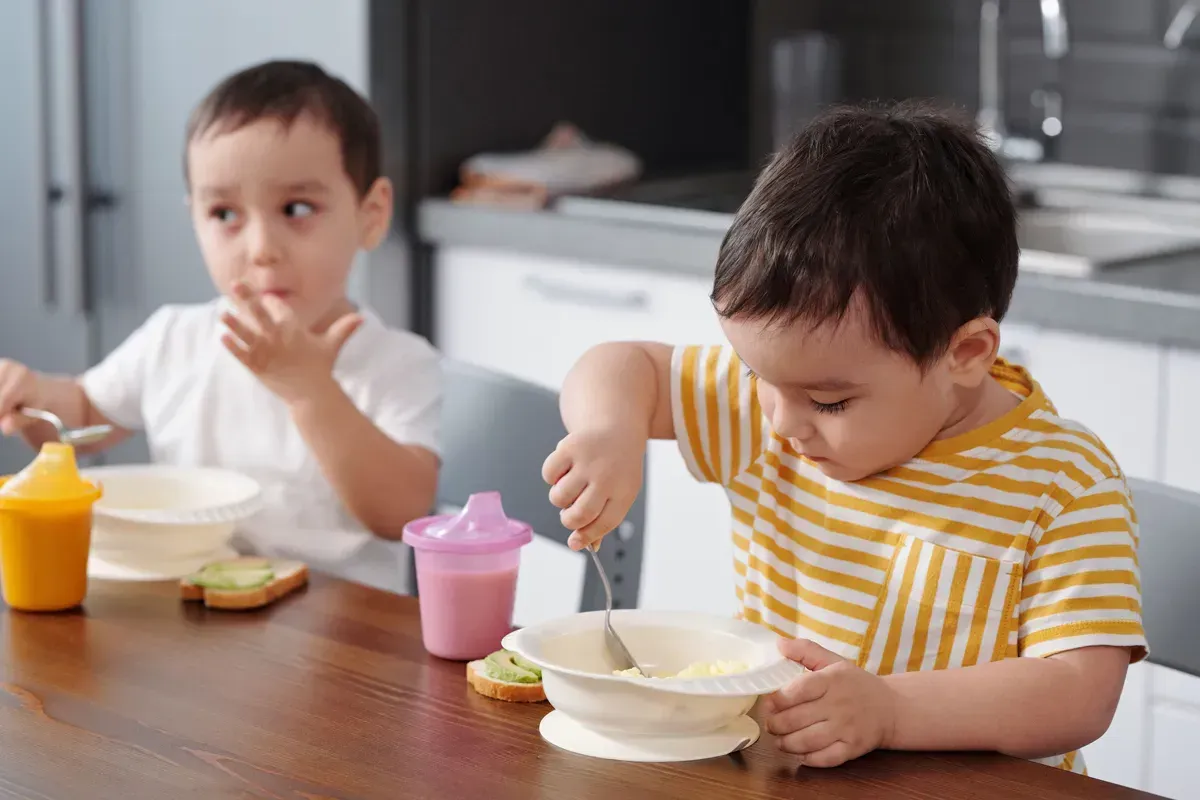
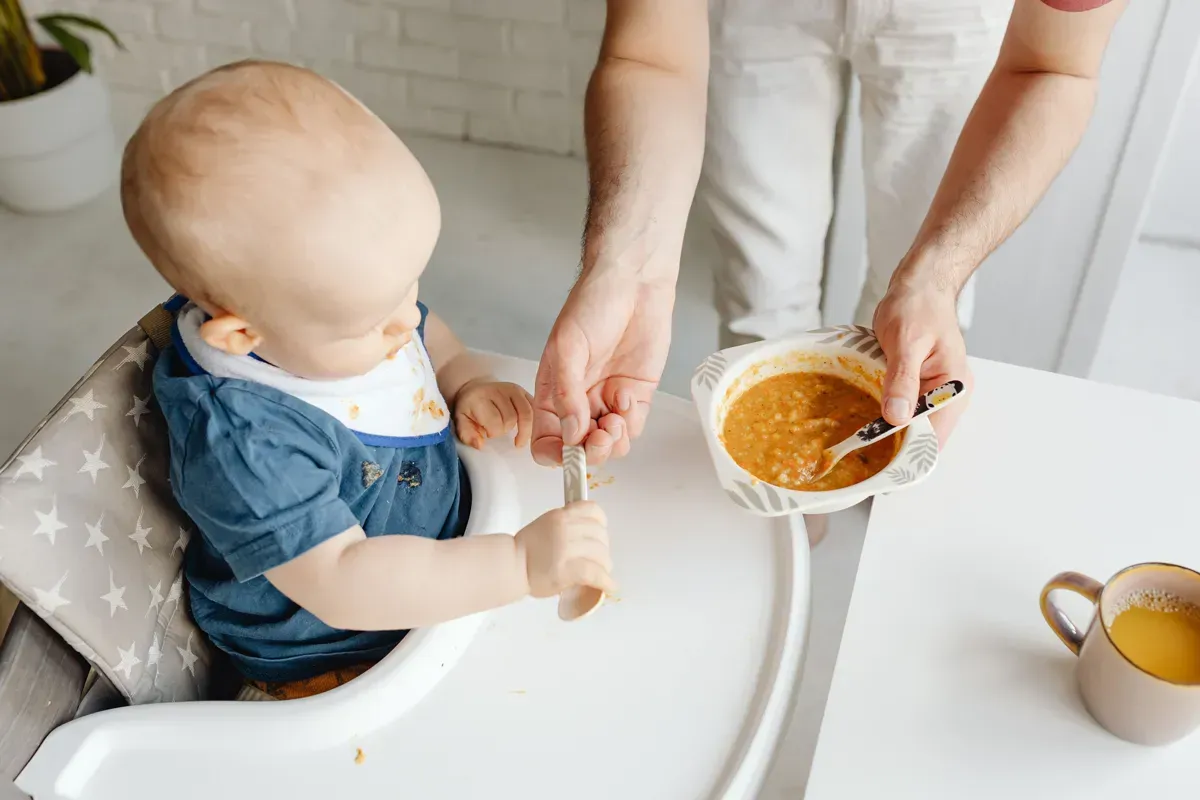
One of the most important parts of feeding therapy is what happens outside the clinic. Victoria works closely with caregivers after every session, offering a debrief and practical strategies you can use during everyday moments, whether that is a snack after school, dinner with the family, or a birthday party where the food feels overwhelming. The goal is not just to add foods to a list. It is to help your child feel safe, capable, and curious at mealtimes, and to help you feel confident guiding them. Families across Upland, Rancho Cucamonga, Ontario, Fontana, and the surrounding Inland Empire have found that this collaborative model produces meaningful, lasting change.
Common Questions
Feeding Therapy FAQs
How do I know if my child needs pediatric feeding therapy or is just a picky eater?
Most children go through phases of food refusal, but there are signs that point to something more than typical pickiness. If your child eats fewer than 20 foods total, has strong emotional reactions to new textures, gags frequently, avoids entire food groups, or if mealtimes are consistently stressful for the whole family, a feeding evaluation can help clarify what is going on. A speech-language pathologist trained in feeding can assess whether sensory sensitivities, oral-motor difficulties, or anxiety are contributing to the challenge and recommend a clear path forward.What is the SOS Approach to Feeding and how does it differ from other methods?
The SOS (Sequential Oral Sensory) Approach to Feeding is a play-based, child-led framework that introduces new foods gradually through a systematic hierarchy of steps. Rather than pressuring a child to eat, it starts with simply tolerating a food nearby, then touching it, smelling it, and eventually tasting it, all at the child's own pace. This differs from more directive approaches because it prioritizes the child's comfort and sensory readiness. Victoria King Erb holds specialized training in the SOS Approach and uses it alongside the "Feed the Peds" methodology to support children with a wide range of feeding challenges.What ages does your feeding therapy program serve?
King Speech Therapy Services provides feeding therapy for children ages 18 months through 17 years at the clinic in Upland, CA. Teletherapy is also available for qualifying families across the Inland Empire. If your child is younger than 18 months and you have concerns about feeding milestones, such as transitioning from purees to solids or difficulty with bottle or breastfeeding, we encourage you to reach out so we can point you toward the right resources.Does feeding therapy only address food variety, or does it also cover swallowing difficulties?
Feeding therapy covers both. Some children need support expanding the variety of foods they will accept, while others have oral-motor or swallowing challenges that make eating unsafe or uncomfortable. Swallowing therapy for kids focuses on the physical mechanics of chewing and swallowing, including oral-motor strength and coordination, to help children manage age-appropriate food textures safely. During an evaluation, Victoria will assess which areas are contributing to your child's difficulties and build a care plan that addresses the full picture.How involved will I be as a parent during my child's feeding therapy sessions?
Caregiver involvement is a core part of how the program works. After every session, Victoria provides parents with a debrief and practical strategies to carry over into daily routines at home. Because therapy happens for only a small portion of the week, real progress occurs in the moments you share with your child at the kitchen table, during snacks, and at family meals. Teaching parents to support their child's feeding goals in everyday life is what makes outcomes lasting rather than temporary.Is feeding therapy covered by insurance?
King Speech Therapy Services is in-network with several PPO plans, including Cigna, Blue Shield, Anthem, HealthNet, and Aetna. If your plan is out of network, the clinic can provide a Superbill that you may submit to your insurance company for potential reimbursement. A prompt pay rate option is also available. Coverage varies by plan and diagnosis, so it is worth contacting your insurance provider to ask about your specific benefits for feeding disorder treatment in children before your first appointment.How long does it typically take to see progress in feeding therapy?
Progress timelines vary depending on the child's age, the nature of their feeding challenges, and how consistently strategies are practiced at home. Some families notice meaningful changes within a few months, while children with more complex sensory or oral-motor profiles may need longer-term support. Active caregiver involvement between sessions tends to accelerate progress. The goal is always functional, real-world improvement at mealtimes, not just performance in a clinical setting.
REVIEWS